
Resource Guides- Protecting our Beautiful Natural Environment
Home » Living Here » Resource Guides
Resource Guides
A collection of useful accessible guides and reference materials curated for Long Lake Heights residents, covering topics from environmental stewardship and water conservation to local regulations and community programs.
We encourage our strata residents to take some time to review these resources to understand how they support our community initiatives.
Feedback is always welcome. Please don’t hesitate to provide any thoughts/suggestions you may have to better protect & save guard our collective properties and our beautiful neighborhood. Check back often as we will be adding resources regularly.
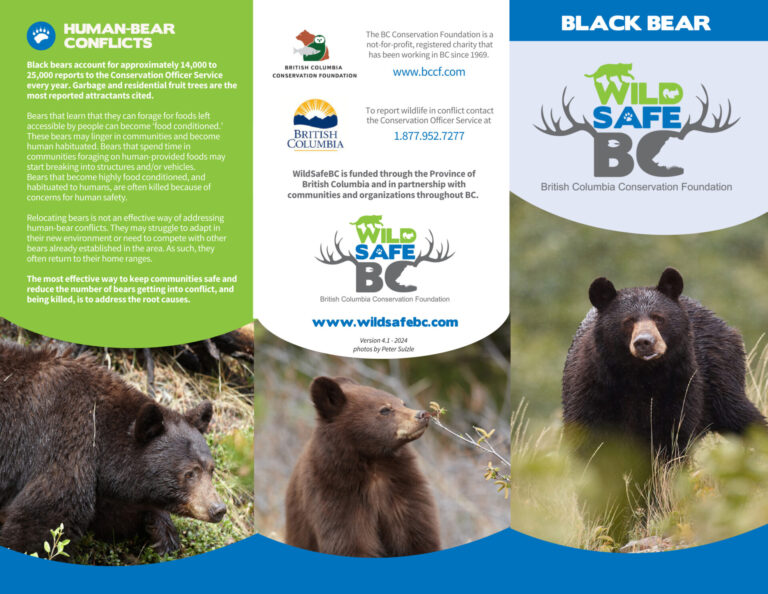
WildSafe BC – Black Bear
Also from WildSafeBC, this guide explains why garbage and fruit trees are the leading causes of human-bear conflict in BC, how bears become food-conditioned and why that usually ends badly for the bear, and what residents can do to reduce attractants on their property. Directly relevant to life at Long Lake Heights, where secured bin lids are a bylaw requirement for good reason.
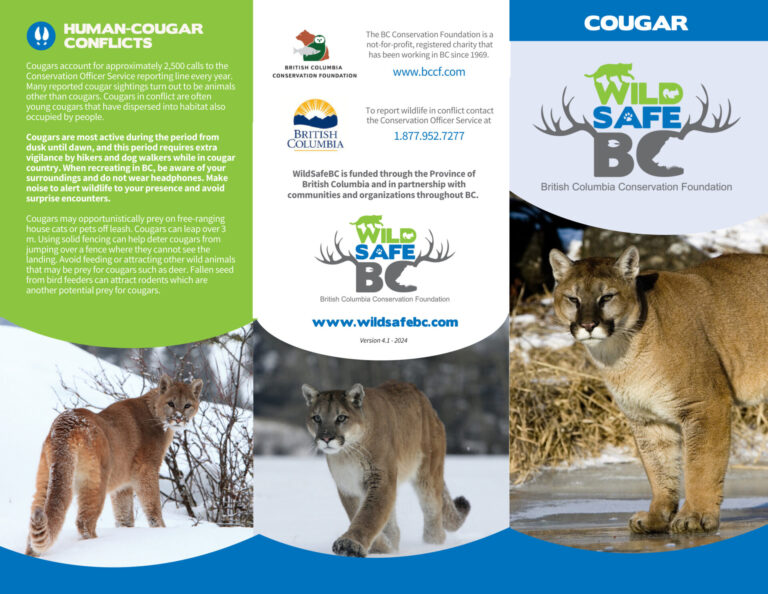
WildSafe BC – Cougars
From WildSafeBC and the BC Conservation Foundation, this guide covers cougar behaviour, how to reduce attractants on your property, and what to do if you encounter one. Cougars are present on Vancouver Island and occasionally move through urban-adjacent areas like ours, so knowing the basics is worth a few minutes of your time.
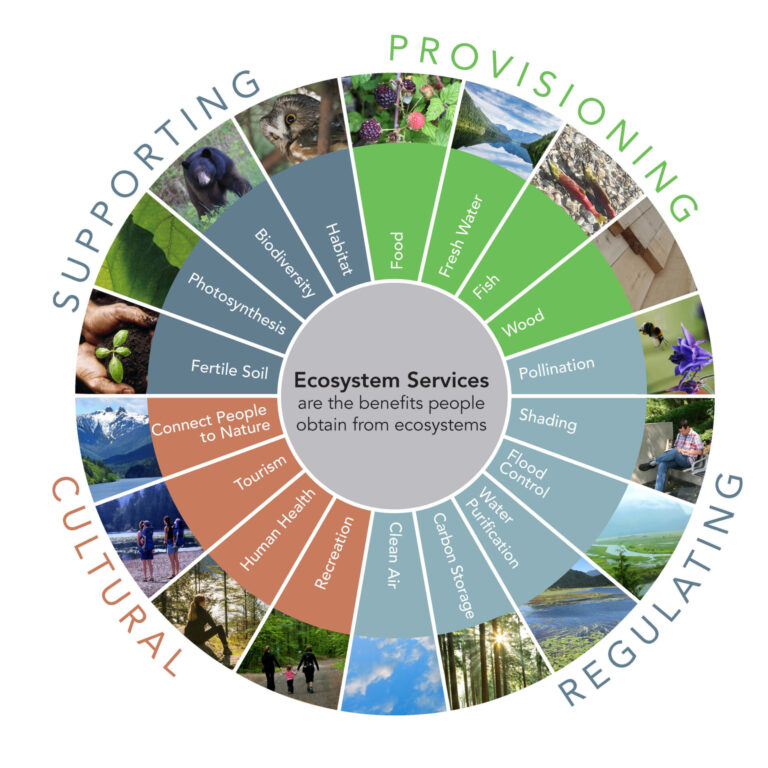
Ecosystem Services Wheel
A single-page visual from Metro Vancouver showing the four categories of ecosystem services at a glance: provisioning (food, fresh water, fish), regulating (flood control, water purification, carbon storage), cultural (recreation, human health, connection to nature), and supporting (biodiversity, fertile soil, photosynthesis). A good quick-reference to pair with the ESA guide above.
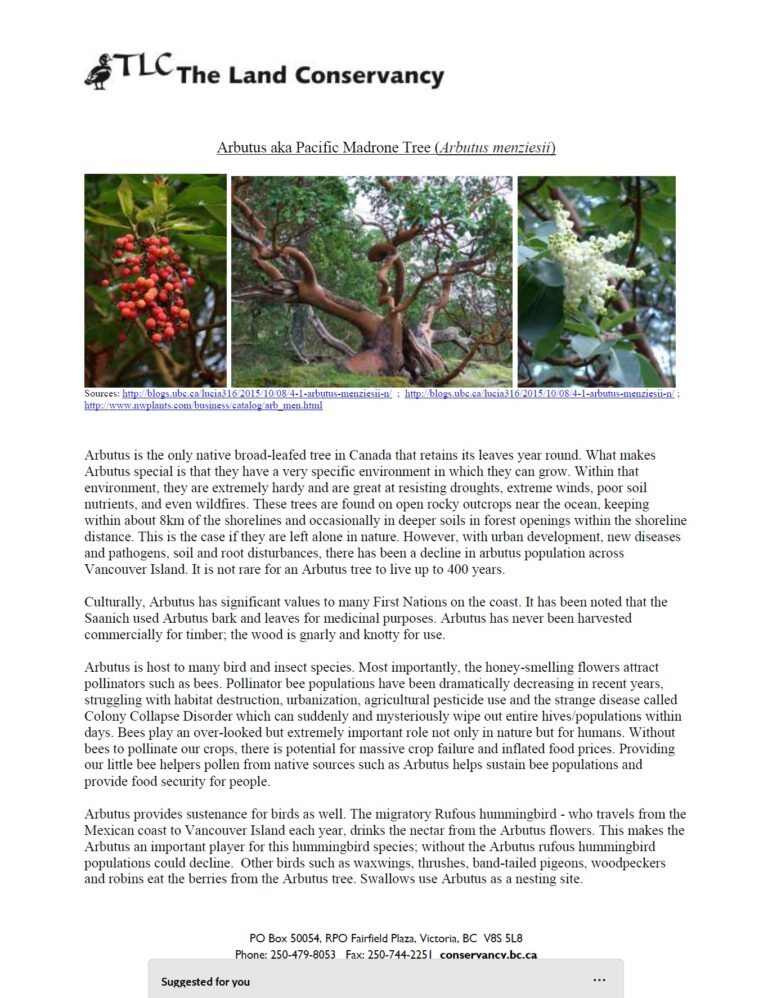
Arbutus Trees
Arbutus (Pacific Madrone) is Canada’s only native broad-leafed evergreen tree, a hardy but declining coastal species that holds cultural significance for First Nations and serves as a keystone food source for bees, hummingbirds, and other birds.
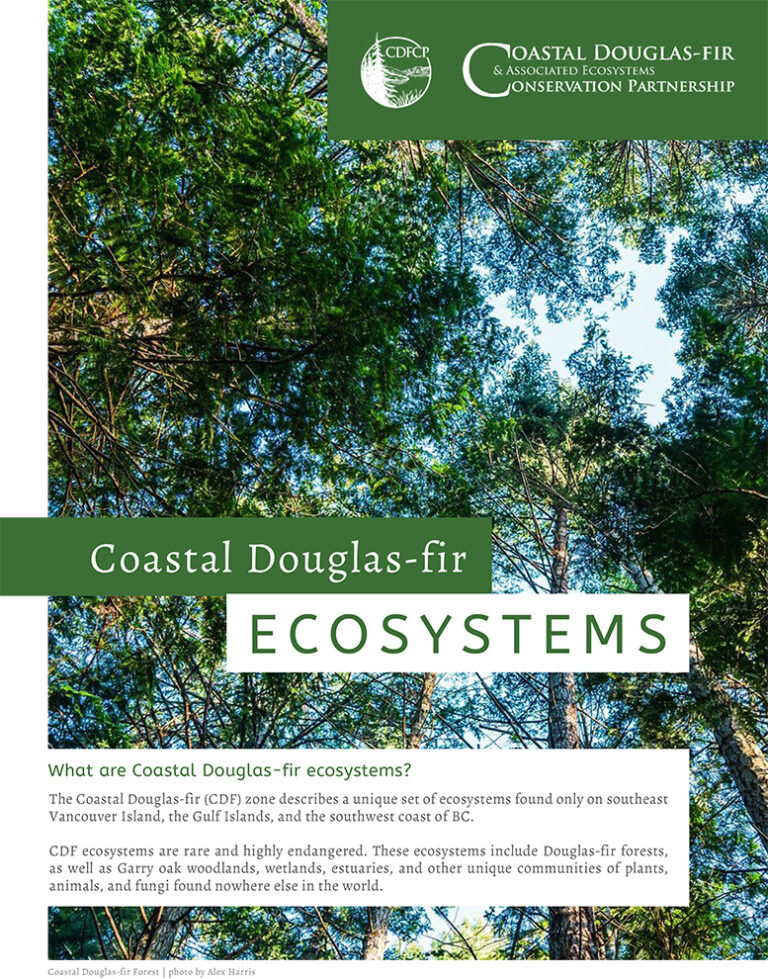
What are Coastal Douglas-fir ecosystems?
The Coastal Douglas-fir (CDF) zone describes a unique set of ecosystems found only on southeast Vancouver Island, the Gulf Islands, and the southwest coast of BC. CDF ecosystems are rare and highly endangered. These ecosystems include Douglas-fir forests, as well as Garry oak woodlands, wetlands, estuaries, and other unique communities of plants, animals, and fungi found nowhere else in the world.
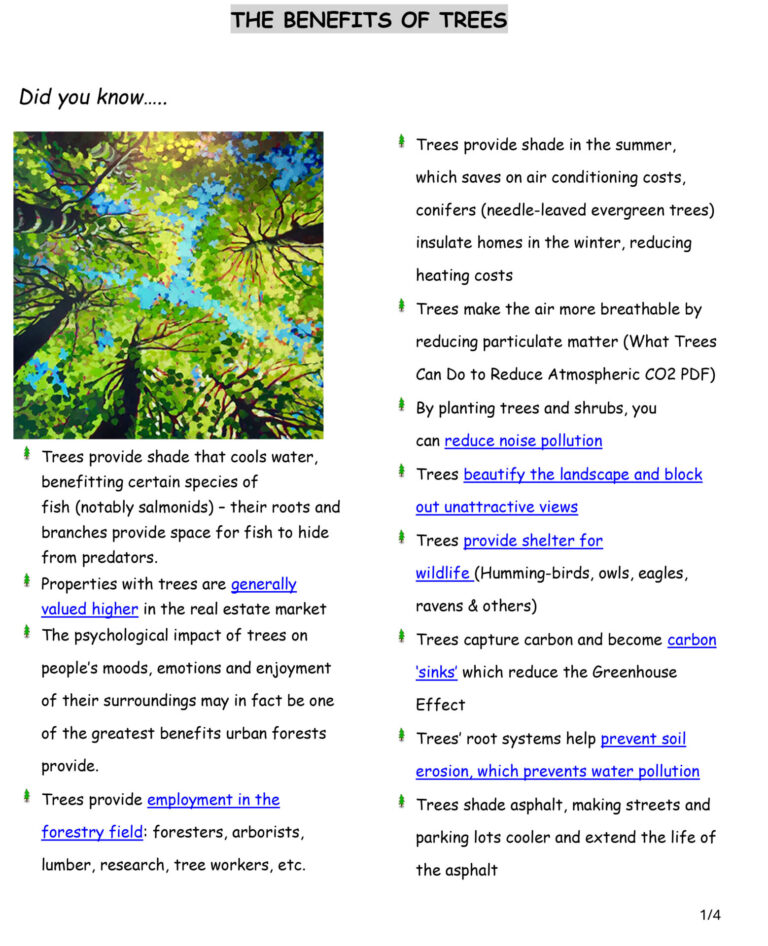
Benefits of Trees
Prepared by the Long Lake Heights Grounds Care Committee, this guide makes the case for why trees matter: from cooling streams and sheltering wildlife, to reducing runoff, improving air quality, and supporting property values. A good read for anyone wondering why tree removal requires council approval.
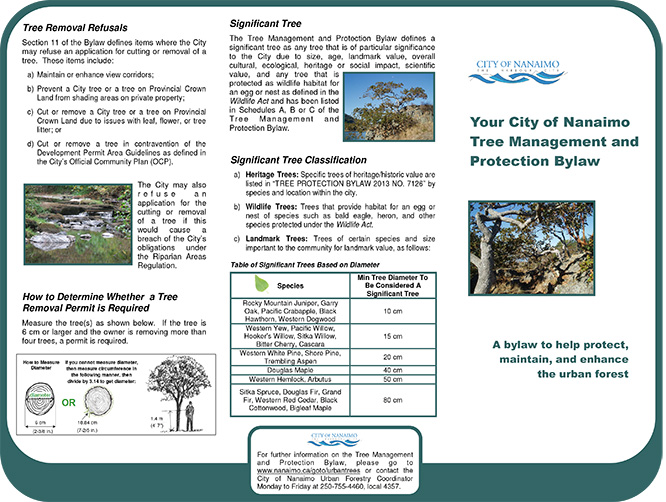
City of Nanaimo Tree Removal Bylaws
Nanaimo’s Tree Management and Protection Bylaw requires a permit to remove more than four trees per year (or any significant/protected tree), with exemptions and approval criteria based on hazard, health, or development need, and fines up to $10,000 for violations.
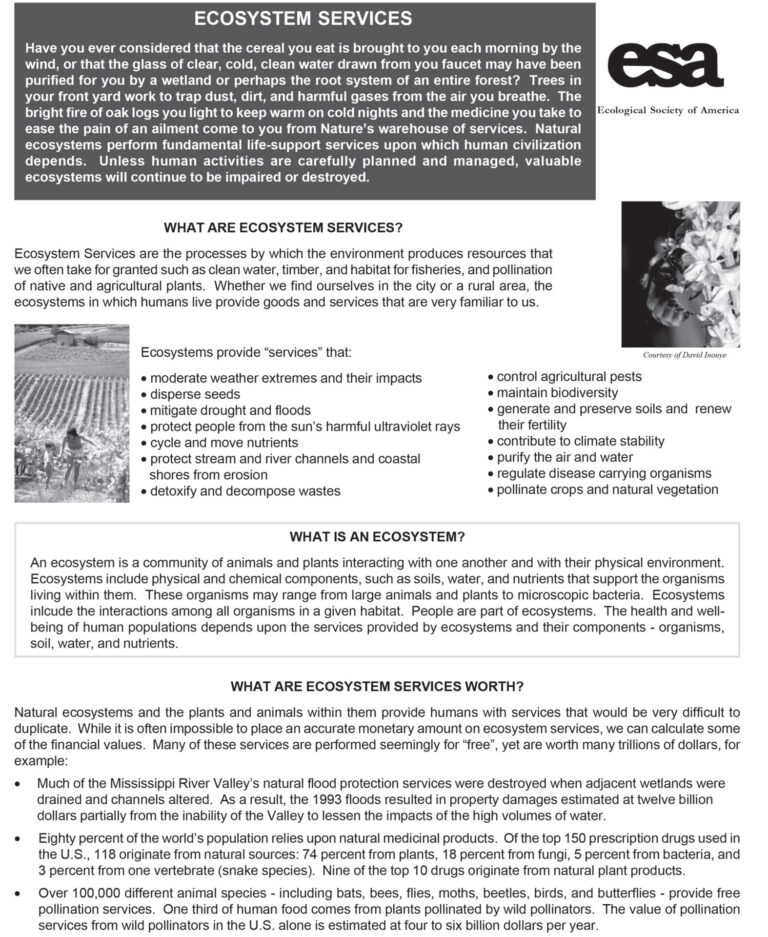
Ecosystem Services
A primer from the Ecological Society of America explaining what ecosystem services are and why they matter: the clean water, air filtration, flood mitigation, pollination, and soil health that functioning natural environments provide to communities, largely for free. A useful frame for understanding why protecting the trees, wetlands, and green space at Long Lake Heights has real, measurable value.
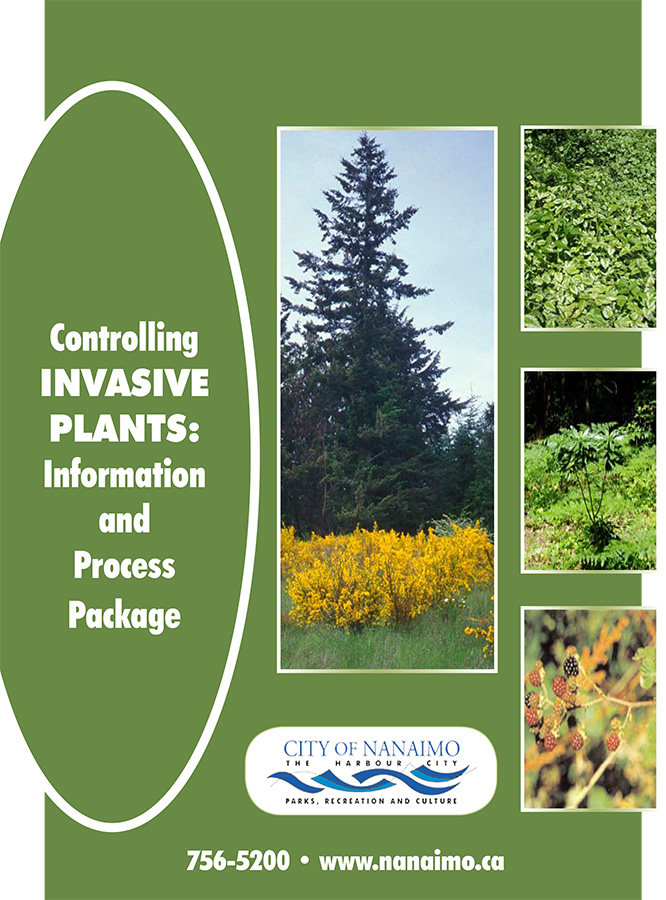
Invasive Plants
A City of Nanaimo field guide identifying 15 invasive plant species common to the area, with recognition tips, removal techniques, and disposal guidance for residents and volunteers working to protect native ecosystems.
BC FireSmart
The official FireSmart BC homeowner guide, covering how wildfires spread, what the three ignition zones around your home mean in practice, and specific steps to reduce risk through landscaping, maintenance, and building materials. Includes a printable self-assessment checklist to work through zone by zone.
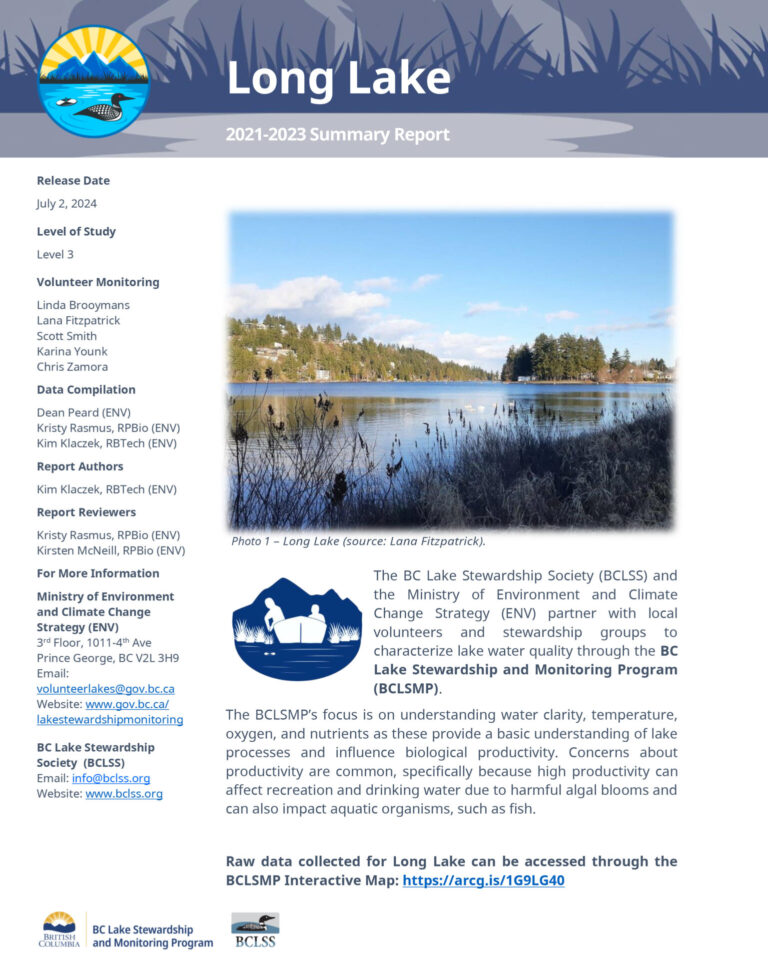
BC Long Lake Water Assessment
A 2024 BC government water quality report on Long Lake itself, covering three years of monitoring data on temperature, dissolved oxygen, water clarity, algae, and phosphorus levels. The findings show the lake is moderately productive and vulnerable to warmer summers, which is directly relevant to how residents manage runoff, fertilizers, and water use on their lots.
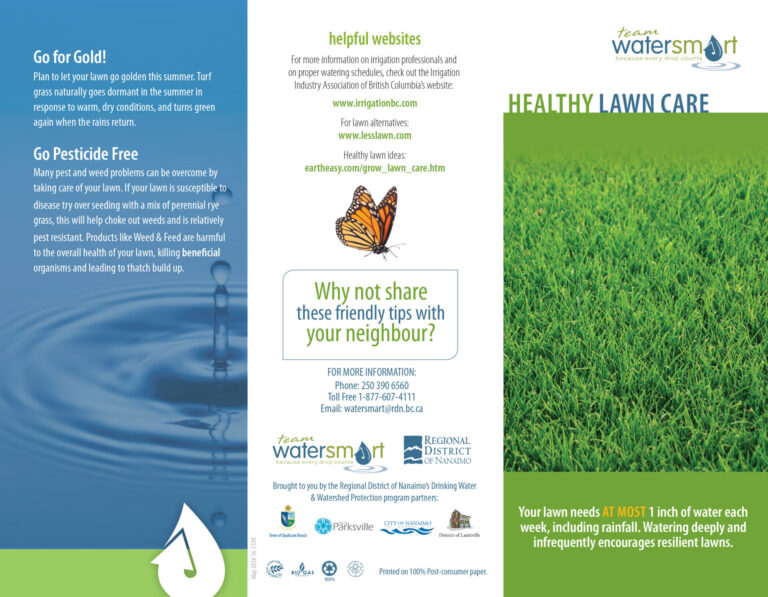
WaterSmart Lawns
From the Regional District of Nanaimo’s WaterSmart program, this guide covers how to maintain a healthy lawn while using significantly less water: soil health, aeration, mowing height, grass cycling, and why letting your lawn go golden in summer is actually the right call. Relevant year-round, and especially useful before seasonal watering restrictions kick in.
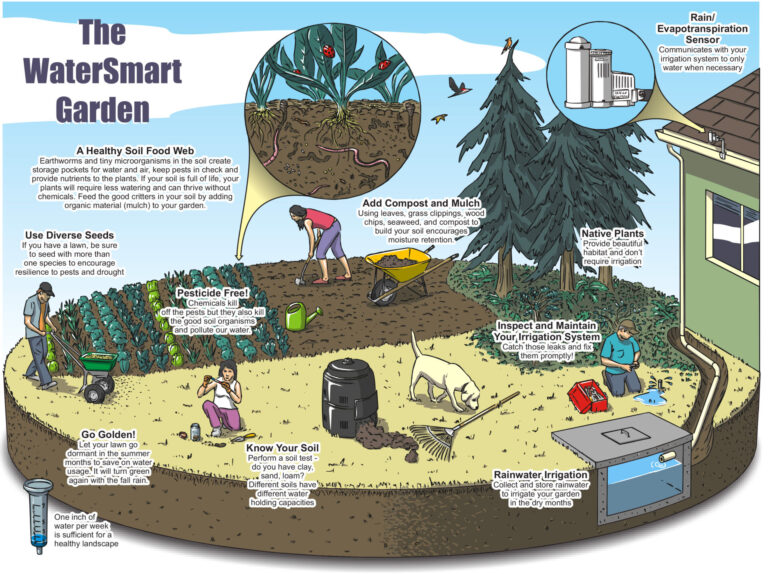
RDN WaterSmart Garden
A companion to the lawn care guide, this RDN WaterSmart diagram focuses on the garden: soil health, composting, mulching, native plants, rainwater collection, and why going pesticide-free is better for both your garden and the watershed. Practical and directly relevant to Long Lake Heights lots.
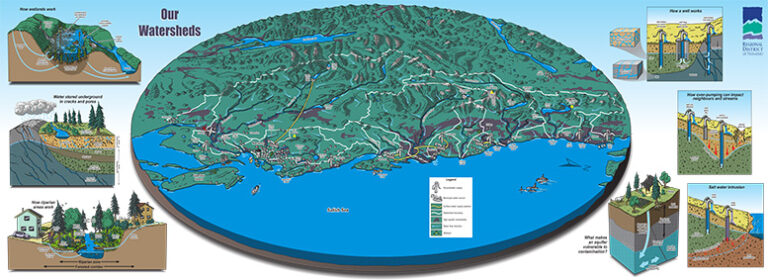
RDN Watershed Map – Know where Your water comes from
An RDN watershed map showing how Long Lake fits into the broader regional water system, with illustrated explainers on how wetlands, riparian areas, aquifers, and groundwater work. A good reference for understanding why what happens on your lot connects to the lake and water supply downstream.
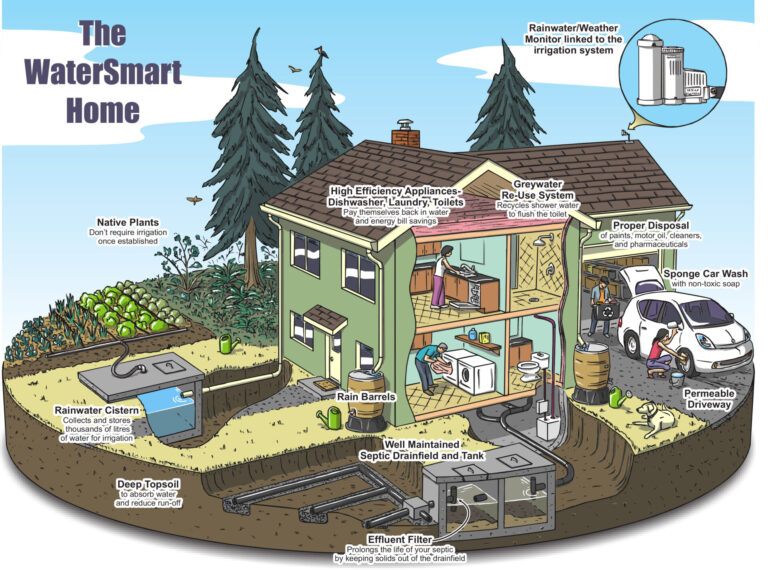
RDN WaterSmart Home
A visual diagram from the RDN’s WaterSmart program showing practical water conservation measures for the home: rain barrels, permeable driveways, native plantings, greywater reuse, efficient appliances, and proper septic maintenance. Useful for residents thinking about reducing water use on their lot.
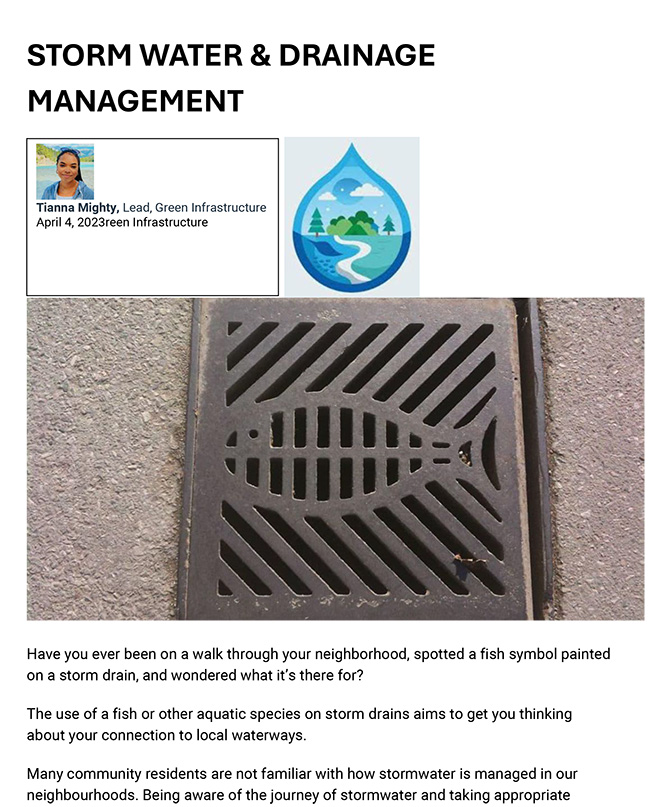
Storm Drains
An explainer on how urban stormwater flows untreated directly into local waterways, and what property owners can do to reduce runoff and pollution through rain gardens, responsible chemical use, and green infrastructure.
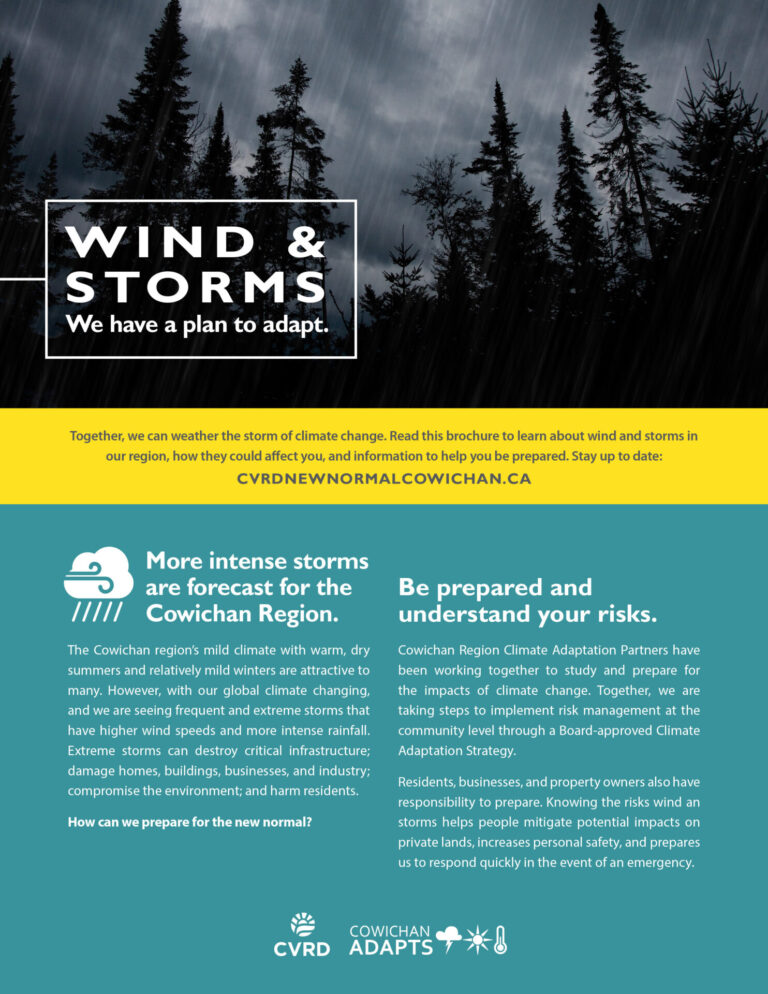
Hazard Brochure Wind and Storms
Produced by the Cowichan Valley Regional District as part of their climate adaptation program, this guide looks at how intensifying storms affect treed communities like ours, with practical checklists for before, during, and after a storm, including tree inspection, securing outdoor items, and what to do when power goes out.
Government of Canada Severe Storms
A Government of Canada self-help guide covering what to do before, during, and after severe storms, including thunderstorms, lightning, hail, winter storms, and high winds. General principles apply; contact information in this guide may be outdated, so use it for preparedness guidance rather than emergency contacts.
BC Severe Weather Preparedness
From the BC government’s PreparedBC program, this guide walks through what to do before and during severe winter weather: making an emergency plan, preparing your home for power outages, winterizing your vehicle, and knowing which alerts mean what. Worth reading before the first storm of the season, not after.
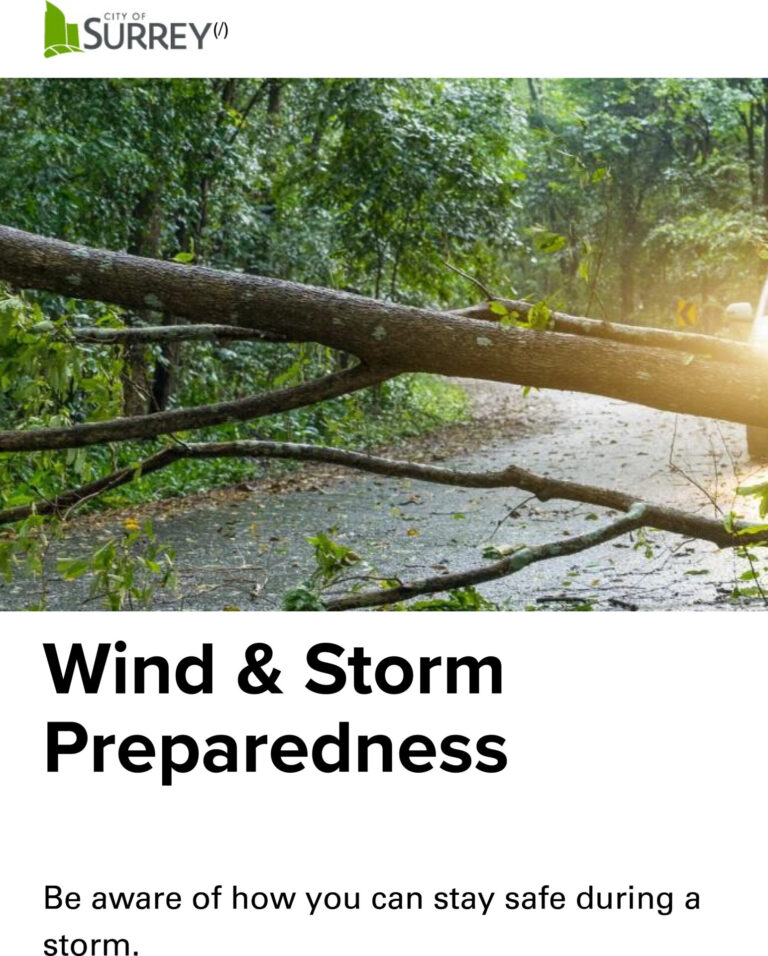
Wind & Storm Preparedness
Living in a treed community means wind storms can bring down branches or whole trees, knock out power, and block roads. This guide from the City of Surrey covers practical steps to prepare your home and family before a storm arrives, and what to do during and after.