
Invasive Species
Home » Community Programs » Invasive Species
Invasive Species
Invasive Species Management
Long Lake Heights sits within a Coastal Douglas Fir ecosystem, one of the most at-risk ecological zones in British Columbia. Invasive plant species threaten the native landscape that defines this community — the same mature trees and natural undergrowth the bylaws are designed to protect. Managing invasive plants is a shared effort between the strata and individual homeowners.
Annual Collection Events
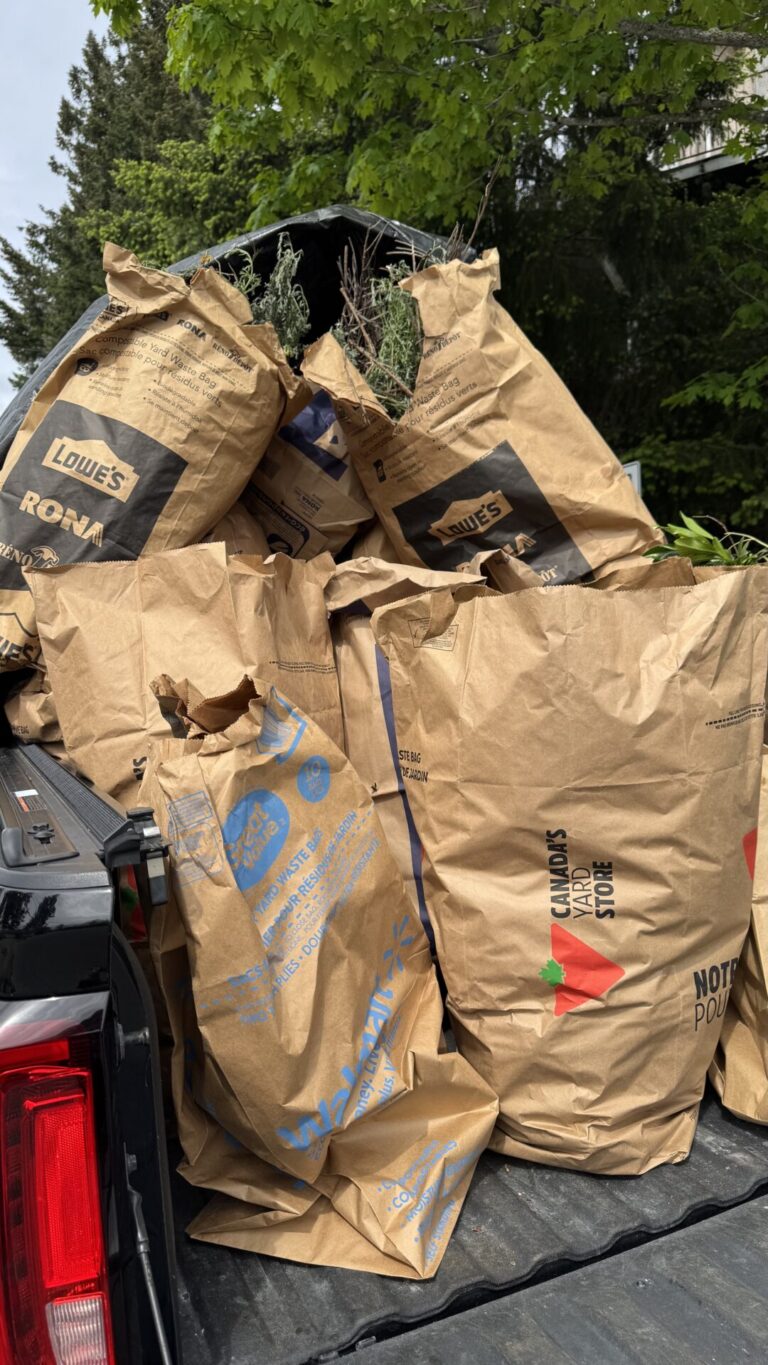
The Grounds Care Committee organizes invasive plant species collection events where bins are brought into the community for homeowners to deposit invasive plants removed from their properties, at no cost.
Collection typically runs annually on a Saturday in April:
- For 2026 being held on Saturday May 9th: 10AM – 12 Noon at visitor parking area on Summit Drive near Heron Place.
Check the Events Calendar
This is one of the easiest ways to contribute. Pull the invasive plants from your property, bag or bundle them, and bring them to the collection bins during the event window. Do not put invasive plant material in your regular garbage or green waste — some species can spread from fragments in compost.
What to Look For
The most common invasive plants on Vancouver Island and in the Nanaimo area include:
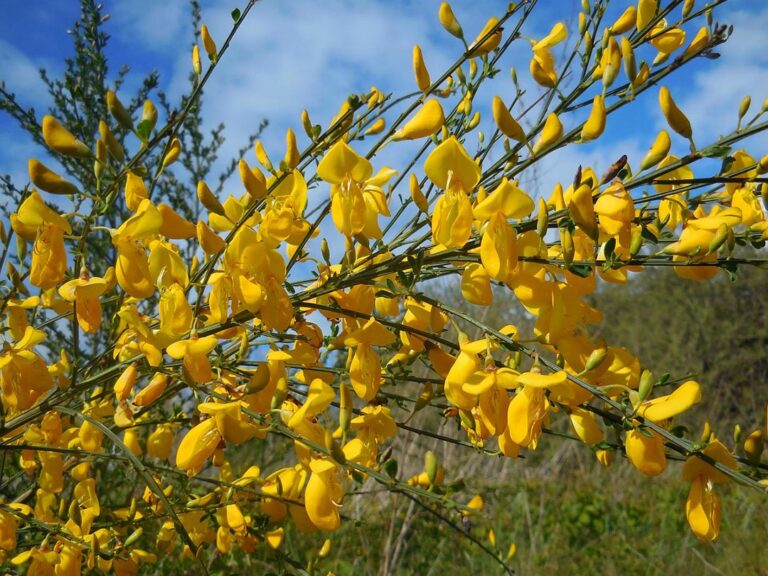
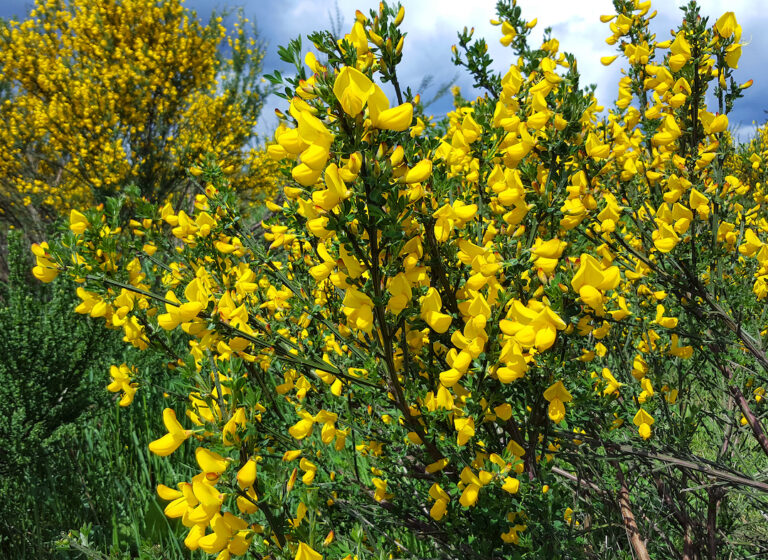
Scotch broom — tall woody shrub with bright yellow pea-like flowers in spring. Extremely aggressive and one of the most widespread invasive species on the island.
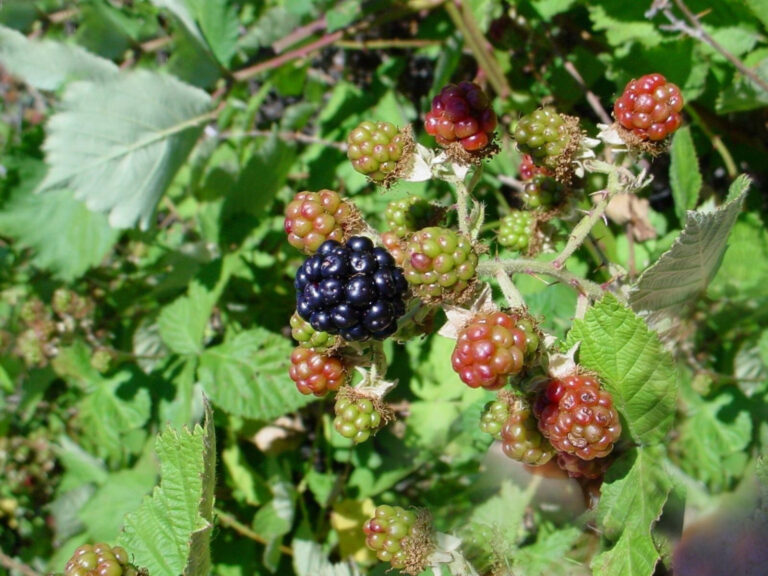
Himalayan blackberry — dense, thorny, fast-spreading bramble that crowds out native plants. Not the same as our native trailing blackberry.
English ivy — evergreen climber that smothers ground cover and can kill trees by adding weight and blocking light.
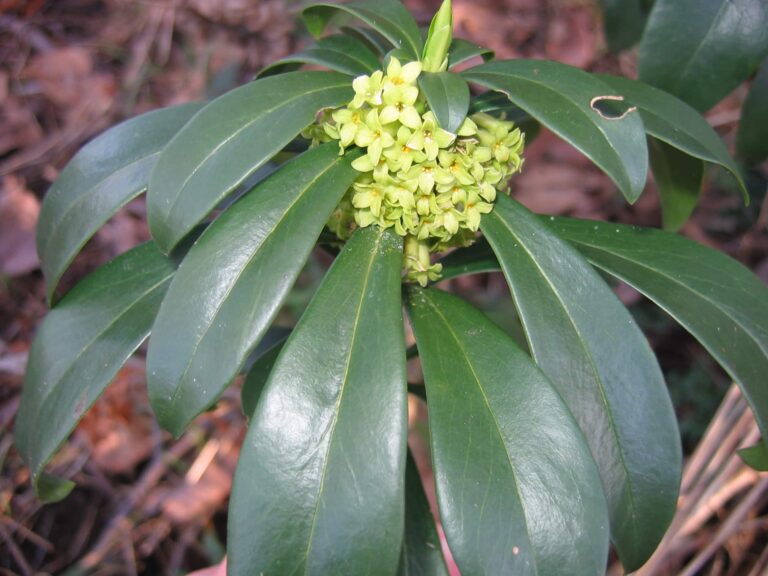
Daphne (spurge-laurel) — shade-tolerant shrub with glossy leaves and small green-yellow flowers. All parts of the plant are toxic. Wear gloves when handling.
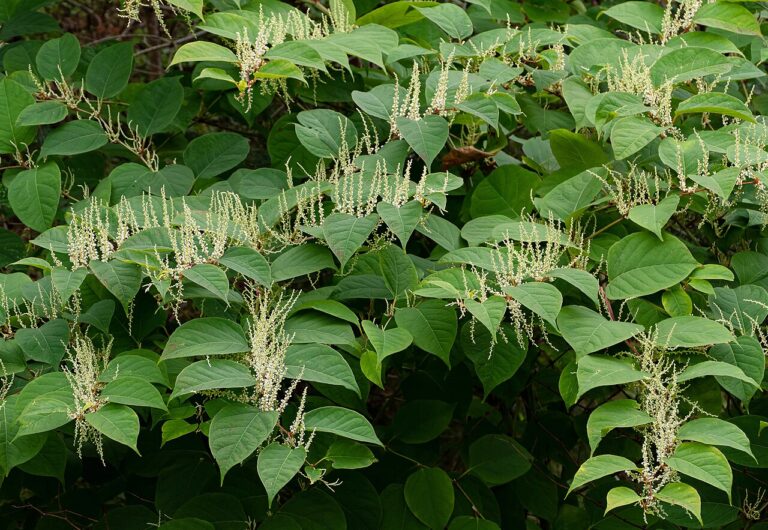
Japanese knotweed — tall bamboo-like stems with heart-shaped leaves. Spreads aggressively and is extremely difficult to remove. Do not cut or pull — contact the Coastal Invasive Species Committee for guidance.
What Homeowners Can Do Year-Round
Learn to identify the invasive species on your property. Remove what you can safely handle (especially Scotch broom and Himalayan blackberry) and bag it for collection events. Avoid planting non-native ornamentals that may become invasive — the Invasive Species Council of BC’s PlantWise program can help you choose alternatives. Report large infestations or species you can’t identify to the Grounds Care Committee or directly to the Coastal Invasive Species Committee.
Resources
- Invasive Species Council of British Columbia — bcinvasives.ca — identification guides, reporting tools, and the PlantWise program
- City of Nanaimo Invasive Species — nanaimo.ca — local priority species and volunteer programs
- Report a Sighting — 1-844-298-2532 or info@coastalisc.com
Scotch Broom
Key Identification Features
- Flowers: Bright yellow, pea-like blooms, sometimes with red markings, appearing from March to June.
- Stems: Green, woody, and strongly five-angled when young; they can photosynthesize even without leaves.
- Leaves: Small and inconspicuous; lower leaves have three leaflets, while upper leaves are singular.
- Seedpods: Flat, hairy pods that turn from green to black as they mature. When dry, they “snap” open, audibly ejecting seeds up to 5 metres away.
Himalayan blackberry
Key Identification Features
- Himalayan blackberry can be distinguished from native species by its immense size and robust structure:
- Stems (Canes): Extremely thick, five-angled, and reddish-purple with large, hooked thorns. They can grow up to 3–5 metres tall and 12 metres long, often arching and rooting where they touch the ground.
- Leaves: Typically arranged in groups of five leaflets on first-year canes and three on flowering canes. The undersides are a distinct silvery-grey or white and woolly.
- Flowers: Small (approx. 2.5 cm), white to pale pink, with five petals, appearing in clusters of 5–20 from late spring to summer.
- Fruit: Round, black, shiny, and hairless “berries” (technically aggregate fruits) that are larger and sweeter than those of native varieties.

English ivy
Key Identification Features
- Juvenile Stage: Found crawling along the ground with waxy, leathery, dark green leaves featuring 3–5 points (star-shaped) and light-coloured veins.
- Adult Stage: Once it climbs vertically into sunlight, leaves become egg-shaped without lobes.
- Flowers & Fruit: Produces greenish-yellow umbrella-like clusters in late summer, followed by shiny black or bluish-black berries.
Daphne (spurge-laurel)
Key Identification Features
- Appearance: An evergreen shrub reaching up to 1.5 metres (5 feet) in height.
- Leaves: Thick, dark green, and glossy; they are arranged in a spiral or whorled pattern, mostly at the top of the stems.
Flowers: Small, fragrant, yellow-green clusters that bloom in late winter to early spring. - Fruit: Egg-shaped berries that turn from green to black when ripe in early summer.
Japanese knotweed
Key Identification Features
- Appearance: Hollow, green stems with reddish-purple speckles that resemble bamboo.
Leaves: Shovel or heart-shaped with a flat base and a pointed tip, usually 10–17 cm long. They grow in a distinct zigzag pattern along the stem. - Flowers: Small, creamy-white clusters that bloom in late summer (August–September).
- Root System: Massive underground rhizomes that can extend up to 3 metres deep and 7–20 metres horizontally.
- Seasonality: New shoots appear in spring (looking like purple asparagus), grow rapidly in summer (up to 10 cm per day), and die back to brown, brittle canes in winter.