Our Community Stewardship Rationale
Home » Community Programs » Community Stewardship Rationale
Community Stewardship
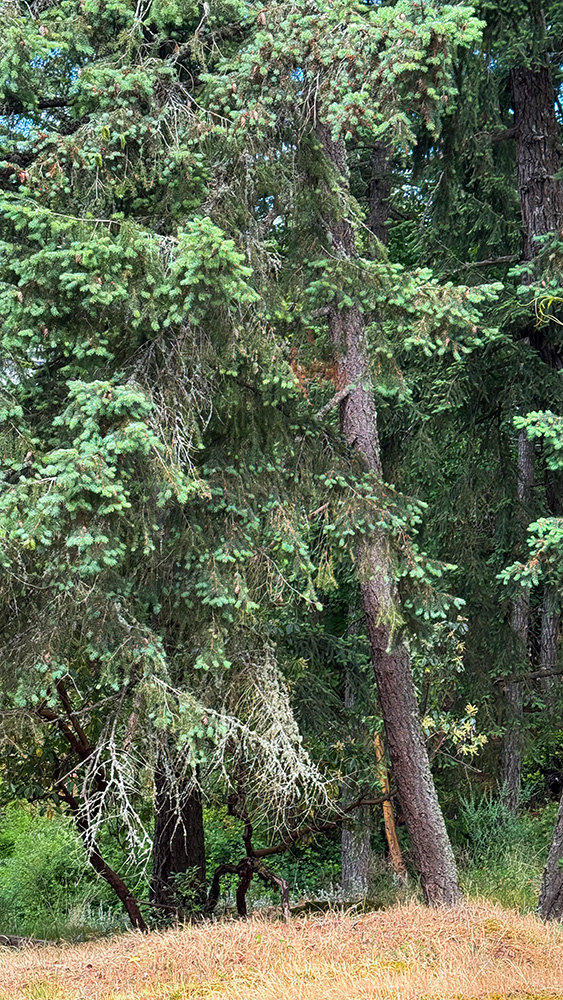
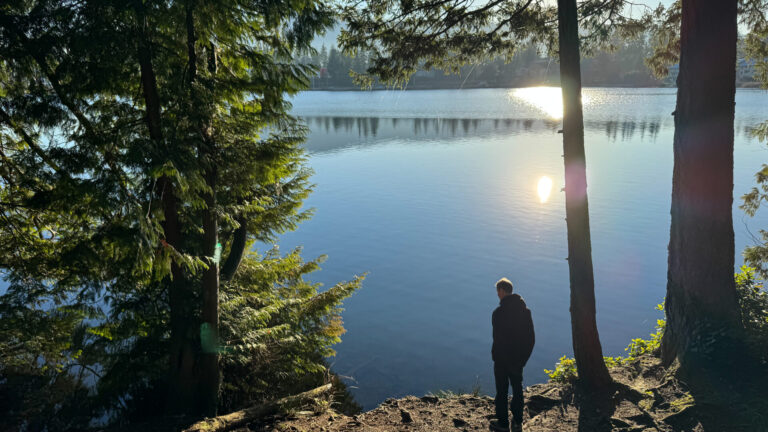
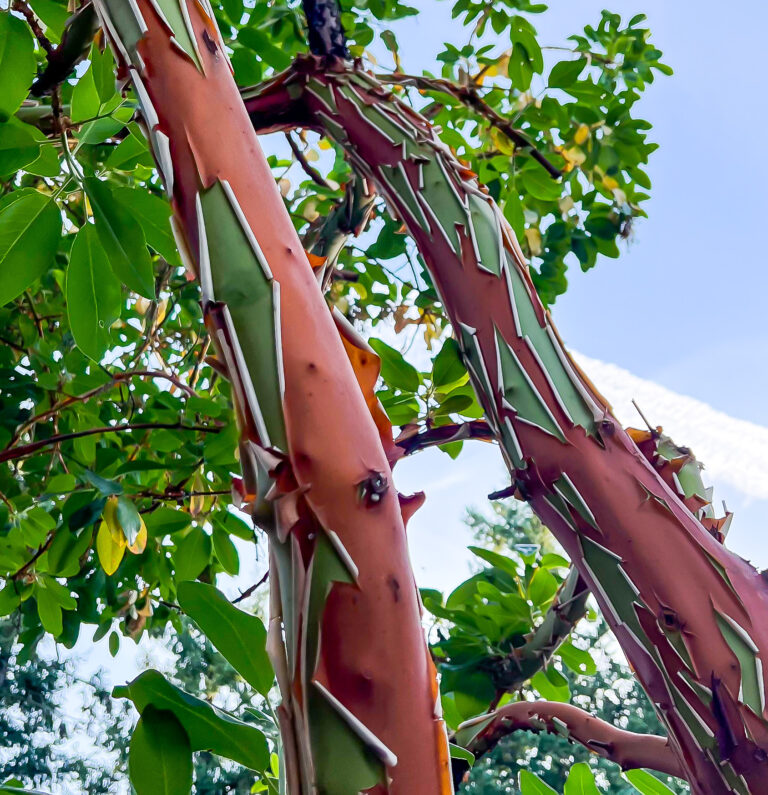
As residents of Long Lake Heights, we recognize & appreciate the unique natural beauty of our neighborhood as defined by the coastal Douglas fir – arbutus landscape & proximity to Long Lake & Loudon Park. This unique & defining character of our neighborhood fosters a genuine sense of place and a stewardship ethic to help maintain & enhance the natural beauty we live within. This ethic is based on the understanding & respect for the Natural Capital of our neighborhood, the collection of natural features on our common property—trees, soils, native plants, wetlands, and wildlife habitat. These features are community assets because they provide Ecosystem Services: the practical, everyday benefits nature delivers, such as absorbing stormwater, reducing erosion, improving air quality, access to wildlife, supporting pollinators, and enhancing the look and feel of our neighbourhood.
By recognizing our Natural Capital and the Ecosystem Services it provides, our strata can make informed decisions that protect these shared natural assets, much like the care & attention required to maintain our infrastructure capital assets (roads, water lines, sewer etc). Thoughtful management reduces long‑term maintenance costs, strengthens environmental resilience, and helps maintain property values while preserving the natural character that makes our community unique.
Our programs & supporting Resource Guides support this stewardship ethic & serve to help increase awareness of the need to protect and enhance these natural features, such as the management of potential fire hazards within our properties and neighborhood and slowing the intrusion of invasive vegetation. We all share in supporting this responsibility.
Annual assessment & maintenance of our properties for potential fire hazards is key to protecting both our homes and our neighborhood. The Red Bin, Fire Smart and Invasive Species are key programs aligned to enhance & maintain the natural beauty of our neighborhood and safeguard our properties and homes against increased fire hazard potential. Climate changes have dramatically influenced weather patterns with increasing drought conditions resulting in an enhanced focus on the importance of identifying fire hazard risks and the effective management of water & water conservation for everyone. Additionally, awareness and attention to the encroachment of invasive plants/vegetation that degrade natural habitats and impact our wildlife that depend on them is another critical element of stewardship.
Being aware is extremely important in helping to maintain the natural beauty of our neighborhood and showing your support for your fellow residents. “PLEASE DO YOUR PART”.
Statement on Balancing The Benefits of Trees with Fire, Safety, and Maintenance Concerns
Our neighborhood recognizes that mature trees are one of our most recognizable & valuable shared assets, contributing to ecological health, community character, property values, and overall quality of life. At the same time, we acknowledge that trees in established residential areas can raise legitimate concerns related to wildfire risk, tree failure, wind fall, root impacts to buildings and infrastructure, and ongoing litter and debris management.
Our goal therefor is to seek to balance these considerations through thoughtful, and informed stewardship that protects both public safety and the long‑term benefits trees provide. Our tree pruning & removal bylaw is reflective of this goal and seeks to maintain the natural beauty & character of our community.
As such, we affirm the following principles:
- Trees deliver essential community benefits—including shade, cooling, stormwater absorption, carbon storage, wildlife habitat, and the preservation of neighborhood identity and natural beauty.
- Fire safety, structural safety, and property protection are critical priorities, and must be addressed through proactive management rather than widespread removal of healthy trees.
- Root systems and foundation impacts can be mitigated through appropriate species selection (new devmts/landscaping), strategic planting distances, and modern arboricultural practices.
- Seasonal litter and debris are manageable maintenance issues, not indicators of tree failure or justification for unnecessary removal.
- Risk can be reduced—not eliminated—through regular assessment, pruning, removal of hazardous individuals, and adherence to best practices for defensible space and urban forestry.
- Tree removal should be a last resort, reserved for cases where a certified arborist determines that a tree poses an unacceptable risk that cannot be mitigated through pruning or management.
- Collective benefits outweigh individual inconveniences, and decisions about tree retention or removal should consider neighborhood‑wide ecological, aesthetic, and property value (economic) impacts.
By approaching tree management with a balanced, community‑minded perspective, we can protect residents, reduce risks, and preserve the natural landscape features that make our neighborhood unique, resilient, and desirable. Your Strata thanks you for your consideration & doing your part!