
Common Pests to Watch For
Home » Living Here » Common Pests to Watch For
Common Pests to Watch For
Rodents
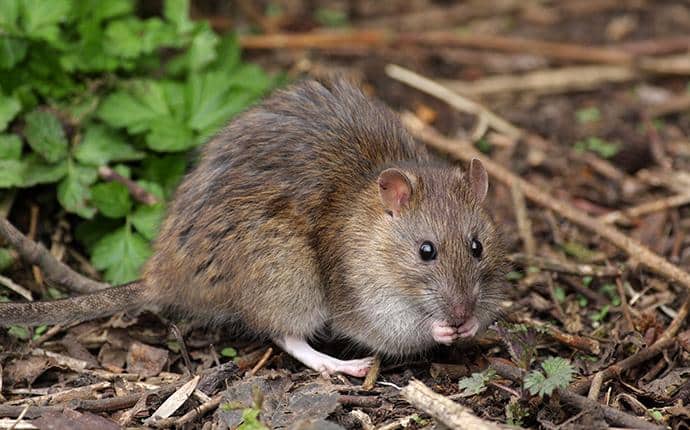
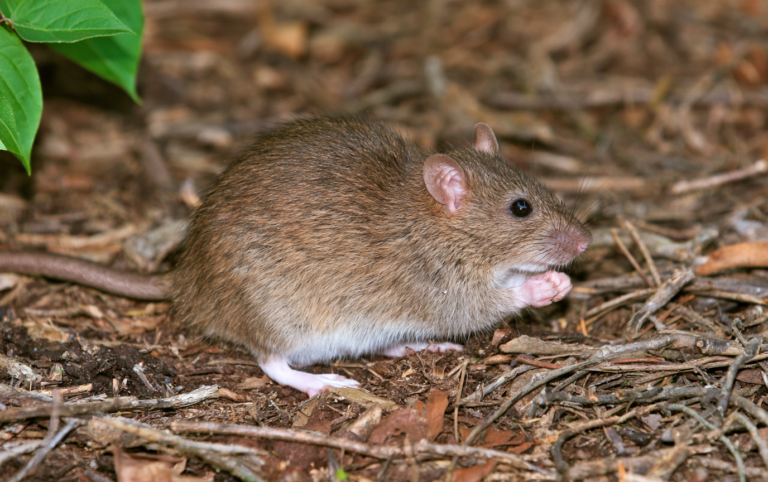
Rats
Rats are cautious, adaptable rodents that move toward homes, sheds, garages, and crawl spaces when food, water, or shelter is close by. Signs include dark droppings (roughly 10 to 15 mm long), greasy rub marks along walls and baseboards, chewed wiring or insulation, and scratching or scurrying sounds inside walls or crawl spaces, especially at night.
Rat activity can happen at any time of year, though late summer and fall are when they are most likely to move toward homes as natural food sources decline and the weather cools.
Before calling for help: Seal gaps around foundations, vents, pipes, garage doors, and siding. Store garbage, compost, bird seed, and pet food in sealed, rodent-proof containers. Keep firewood and clutter away from outer walls. Trim vegetation away from the house. If you find signs of activity inside, traps placed inside a covered bait box can help while you locate and close entry points.
Mice
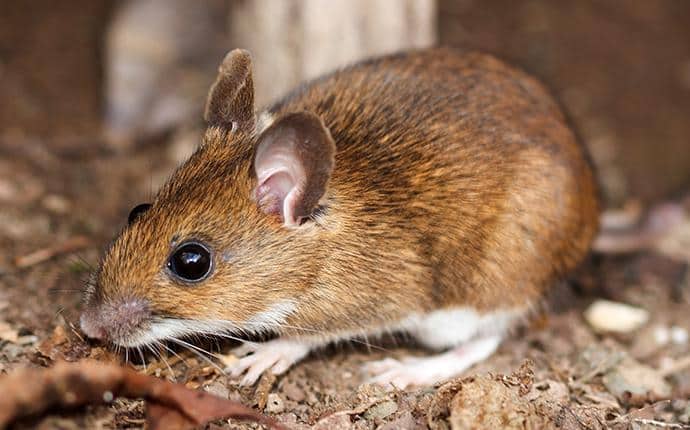
Mice can squeeze through surprisingly small gaps and move quickly into kitchens, garages, storage areas, and crawl spaces when food or shelter is available. Look for small dark droppings in cupboards or behind appliances, chewed food packaging or insulation, shredded nesting material tucked into stored items, and faint scratching sounds in walls.
Mice are active indoors year-round, but are most often noticed in fall and winter when they seek warmth.
Before calling for help: Store food and pet food in sealed containers. Clean up crumbs and spills, and reduce clutter in garages and storage areas. Check weather stripping and door sweeps. Seal gaps around pipes, siding, and foundations. Snap traps placed inside a covered bait box are a practical first step for small numbers, and are preferable to glue traps, which cause unnecessary suffering and can catch non-target animals.
Ants and Wood-Damaging Insects
Carpenter Ants
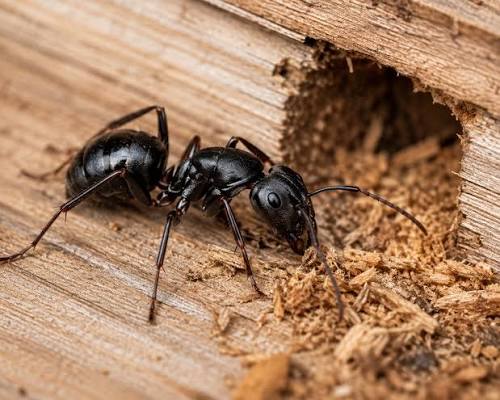
Carpenter ants are the large, dark ants most BC residents have encountered. They do not eat wood, but they tunnel into it to create nesting galleries, and they are particularly drawn to wood that is damp, decaying, or moisture-damaged. Look for large black or dark-coloured ants appearing repeatedly indoors, sawdust-like debris (called frass) near windows, baseboards, or damaged wood, and rustling sounds inside walls in heavier infestations.
They become most visible in spring as temperatures rise and colonies grow active. Winged ants appearing indoors in spring may indicate a colony is already inside or close to the structure.
Before calling for help: Address any leaks or moisture problems promptly, and replace rotten or softened wood. Keep firewood off the ground and away from the house. Trim branches and vegetation touching the structure. Seal exterior cracks and gaps. Frass, or ants repeatedly appearing in the same spot, is worth tracing back to its source before assuming the problem is small.
Pavement Ants
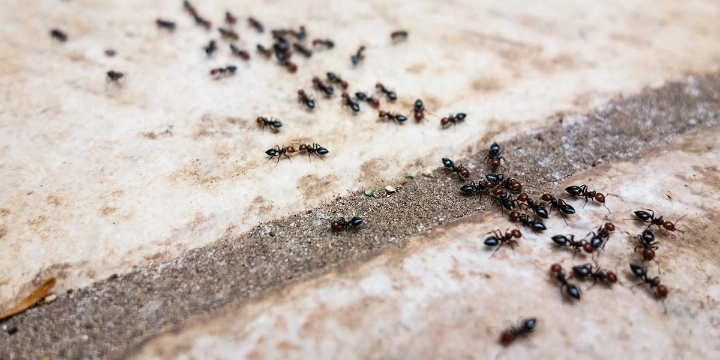
Pavement ants are the small, dark ants commonly found along cracks in driveways, patios, walkways, and foundations. They enter homes while searching for food, leaving visible trails along floors, countertops, and baseboards.
Activity is most noticeable in spring and summer, though indoor colonies can persist longer when they have access to reliable food and moisture.
Before calling for help: Keep counters, floors, pet feeding areas, and garbage sealed and clean. Store sugary and greasy foods in sealed containers. Rinse recycling and empty garbage regularly. Seal visible cracks around foundations and paving.
Dampwood Termites
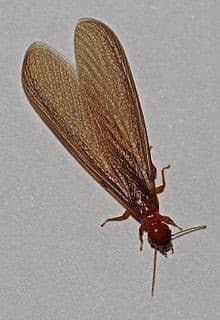
Dampwood termites are more common on Vancouver Island than most residents expect. Unlike carpenter ants, they actually eat wood rather than tunnel through it, and they are strongly associated with wood that is moist, decaying, or in direct contact with soil. Look for wood that sounds hollow when tapped, soft or crumbling sections around decks, fence posts, window frames, or sill plates, and shed wings near windows or damp areas.
Winged reproductive termites may appear during swarming periods, typically in warm, humid conditions. Moisture problems can make a structure more vulnerable at any time of year.
Before calling for help: Repair leaks and drainage problems. Replace or remove decaying wood. Eliminate wood-to-soil contact where possible. Keep crawl spaces ventilated and dry. Move firewood away from structures. Termite activity and the moisture conditions behind it usually need to be addressed together.
Cornfield Ants
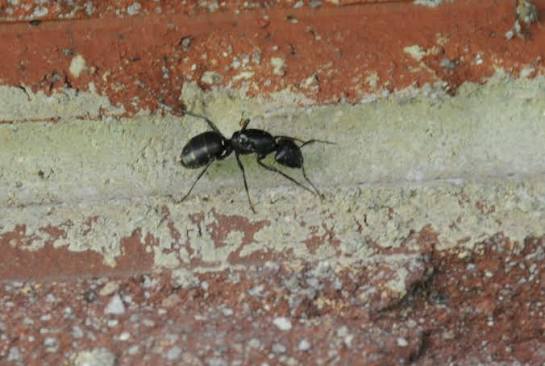
Cornfield ants are common in lawns, garden beds, and soil near foundations. They typically nest in small mounds in grassy areas and may move toward homes when food or moisture is available.
Most active in spring and summer, particularly around landscaped areas and garden beds.
Before calling for help: Keep vegetation and soil from building up against siding. Reduce outdoor food sources and moisture near the foundation. Seal gaps around ground-level entry points. If you are unsure whether you are looking at cornfield ants or carpenter ants, identification matters before choosing a treatment approach.
Stinging Insects
Wasps
Paper wasps build open-comb nests under eaves, decks, and rooflines. They will generally leave people alone if undisturbed, but they defend nests actively. Watch for repeated wasp traffic entering and leaving one spot, visible paper nests under overhangs or in sheltered locations, and increased activity around garbage, compost, fallen fruit, or outdoor eating areas.
Colonies start in spring with a single queen and grow through summer. Activity is most noticeable in late summer and early fall, when colonies are at their largest.
Before calling for help: Inspect eaves, sheltered overhangs, and outbuildings early in the season before nests are established. Keep outdoor food, garbage, compost, and fallen fruit sealed or cleaned up. A very small, newly started nest (roughly golf-ball size) in a low-traffic location can sometimes be removed at night when the colony is inactive. Established nests close to doorways, walkways, or play areas are best handled professionally.
Hornets
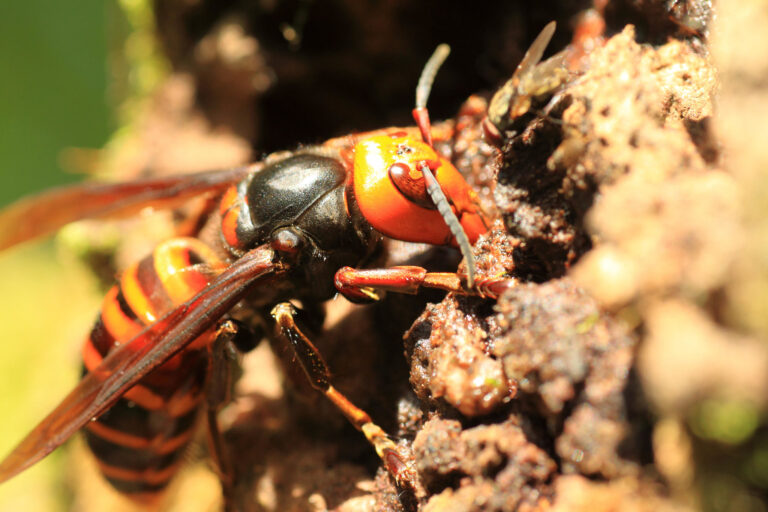
Bald-faced hornets are large, black-and-white stinging insects that build closed, papery nests in trees, shrubs, or under eaves. They defend their nests actively and can sting multiple times. Look for a visible grey or tan papery structure and consistent traffic of large, black-and-white insects to and from one location.
Nests develop through spring and reach their largest by late summer and fall.
Before calling for help: Locate and note the nest before approaching. Avoid blocking or disturbing the entrance. A nest in a low-traffic location away from people and pets may not need immediate action. Nests near foot traffic, entry points, or play areas are best handled by a professional.
Yellowjackets
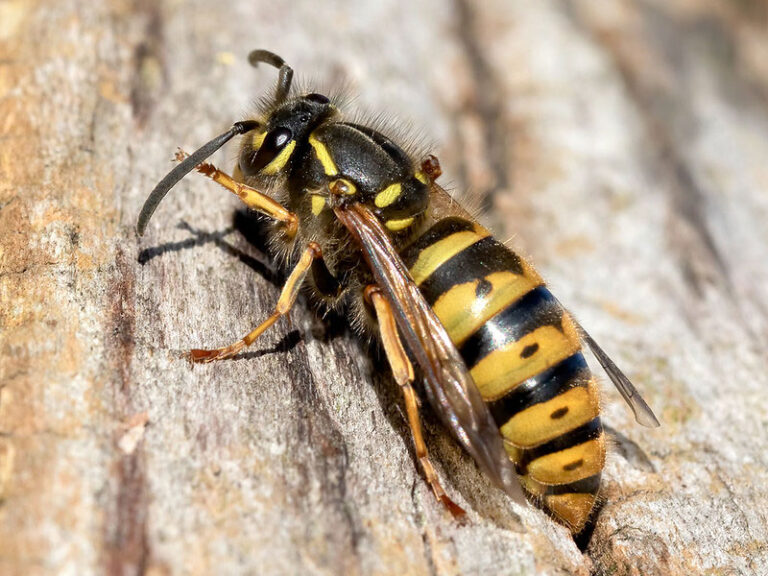
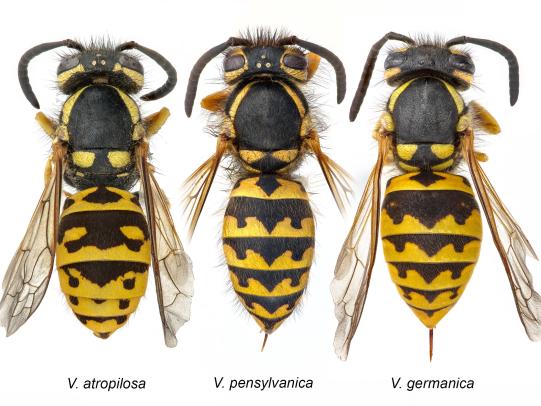
Yellowjackets are yellow-and-black wasps that most commonly nest underground, inside wall voids, under steps, or in retaining walls. They are territorial and among the most defensive stinging insects found in this area. Signs include repeated traffic disappearing into a ground hole or wall gap, yellow-and-black wasps around food and garbage, and sudden aggressive behaviour when a nest area is disturbed while mowing or working in the garden.
Activity increases through summer and is most intense in late summer and early fall.
Before calling for help: Keep garbage and compost sealed. Clean up food waste, sugary drinks, and fallen fruit. Pay close attention to any ground or wall openings with consistent insect traffic before mowing or landscaping in that area. Underground and concealed nests are difficult to treat safely without proper protective equipment. If anyone in your household has a severe allergy to stings, do not attempt treatment yourself.
Bees
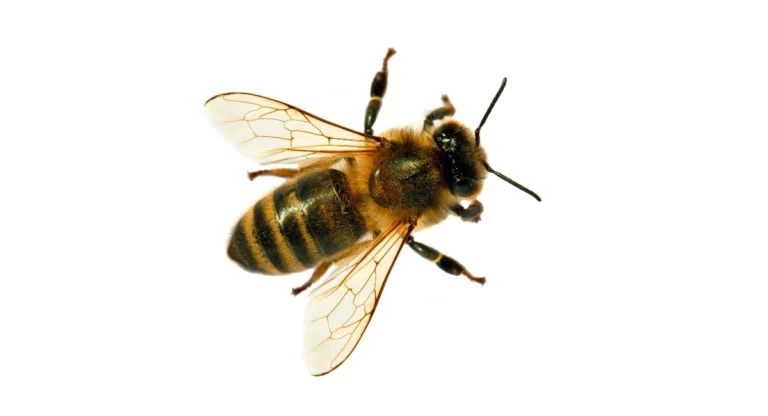
Not all buzzing, flying insects are pests. Bees are important pollinators and should be approached differently from wasps and hornets. Honey bees, bumble bees, and native solitary bees may be found around flowers, gardens, trees, and sometimes in wall cavities or soffits.
A temporary swarm resting on a fence or branch is a normal part of the honey bee reproductive cycle, and will usually move on within a day or two without intervention. Bees entering a wall or structure repeatedly may indicate an established colony that needs attention.
Before calling for help: Resist the urge to spray. If bees are swarming temporarily, leave them alone and observe. If they appear to be entering a structure, contact a local beekeeper or a pest management professional who can identify the species and determine whether relocation is possible. Extermination should be a last resort where bees are involved.
Household Insects
Bed Bugs
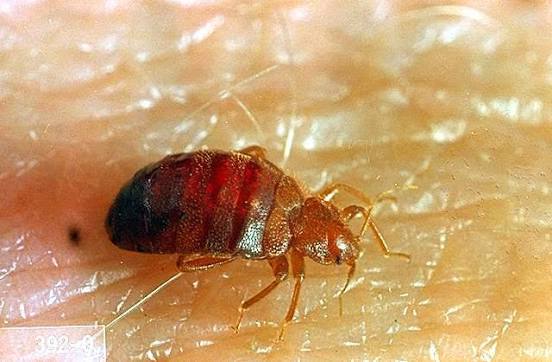
Bed bugs are small, flat insects about the size of an apple seed. They feed on blood at night and hide close to where people sleep: mattress seams, bed frames, headboards, couches, baseboards, and wall gaps. Signs include small dark or rust-coloured spots on bedding, shed skins, live insects in seams and folds, and unexplained bites in clustered patterns on the skin after sleeping.
Bed bugs are not seasonal. They are active indoors year-round and are not a sign of poor housekeeping. They are typically introduced through travel, used furniture, luggage, or contact with other infested dwellings.
Before calling for help: Inspect used furniture and luggage carefully before bringing them inside. If you suspect an infestation, wash and dry suspect fabrics on high heat. Reduce clutter around sleeping areas. Contact a licensed pest management professional promptly. Bed bugs are difficult to eliminate without professional treatment, and delays give them more time to spread.
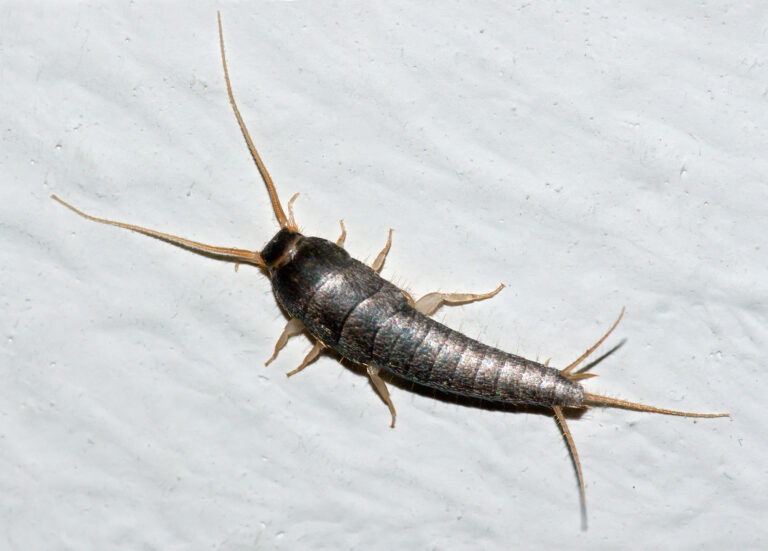
Silverfish
Silverfish are small, fast-moving, wingless insects with a tapered, silvery-grey body. They prefer dark, humid spaces: bathrooms, basements, laundry rooms, and crawl spaces. Signs include insects darting away when lights are turned on, damage to paper, books, wallpaper, and stored fabrics, and tiny pepper-like droppings in humid corners.
Silverfish are active year-round indoors and will persist in any area where humidity stays consistently high.
Before calling for help: Improve ventilation in damp rooms and use a dehumidifier if humidity is a recurring problem. Repair dripping pipes and faucets. Vacuum regularly in humid spaces. Store paper, cardboard, and books in dry locations. Persistent activity connected to damp crawl spaces or enclosed areas may need a closer inspection to find the source.
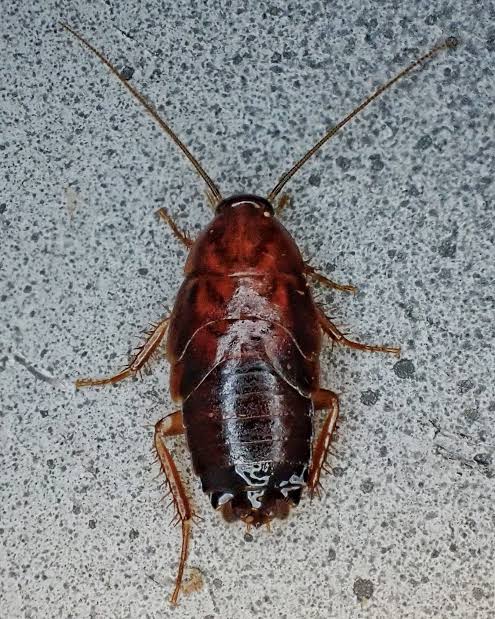
Cockroaches
Cockroaches are resilient insects drawn to warmth, moisture, grease, and food debris. While less common in single-family homes than in apartments or commercial kitchens, they can establish themselves quickly wherever sanitation and moisture problems go unaddressed. Signs include live cockroaches visible at night, dark droppings resembling coarsely ground pepper, musty or oily odours, and egg cases in hidden areas near sinks, appliances, and drains.
Cockroaches are active year-round indoors and reproduce quickly once established.
Before calling for help: Clean grease, crumbs, and food spills thoroughly. Store food in sealed containers. Empty garbage regularly. Reduce cardboard storage and clutter. Repair leaks and reduce moisture under sinks. Professional treatment is strongly recommended if you find evidence of cockroaches, as partial measures rarely eliminate the problem.
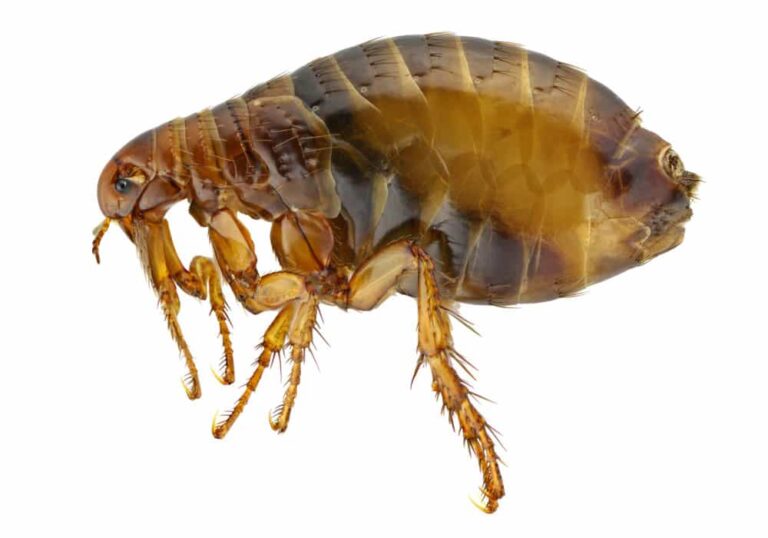
Fleas
Fleas are tiny, fast-jumping insects that feed on blood. They are most often associated with cats and dogs but can also be introduced when wildlife nests under decks or in crawl spaces. A home without pets can still develop a flea problem. Signs include pets scratching or grooming excessively, small jumping insects on carpets or furniture, bites around the ankles and lower legs, and dark specks in pet bedding (flea droppings).
Fleas are active year-round but are most commonly a problem in summer and early fall.
Before calling for help: Speak with your veterinarian about flea prevention for your pets. Wash pet bedding regularly. Vacuum carpets, furniture, and pet resting areas frequently, and empty the vacuum outdoors immediately afterward. If wildlife has been nesting nearby, address that access point. If pet treatment alone does not resolve the problem, professional treatment of the home is usually necessary as well.
Additional Resources
The following resources offer further information on pest identification and management. Long Lake Heights Estates has no affiliation with these organizations, and their inclusion here is for information only.
- Home and Garden Pest Management Guide for BC (BC Ministry of Agriculture and Food, free downloadable PDF chapters covering insects, rodents, and garden pests)
- Managing Pests (Province of BC, overview of integrated pest management for homeowners)
- Rodent Control: Best Management Practices for Residents (Province of BC, PDF)
- Humane Rodent Control (BC SPCA, including guidance on trap types and what to avoid)
- Pesticides and Home Pest Management (Island Health, health guidance for Vancouver Island residents)